War Bonds

Naval Aviator and WWII hero Robbie Robinson, dies

Chpt 35 Robbie Robinson - Copy

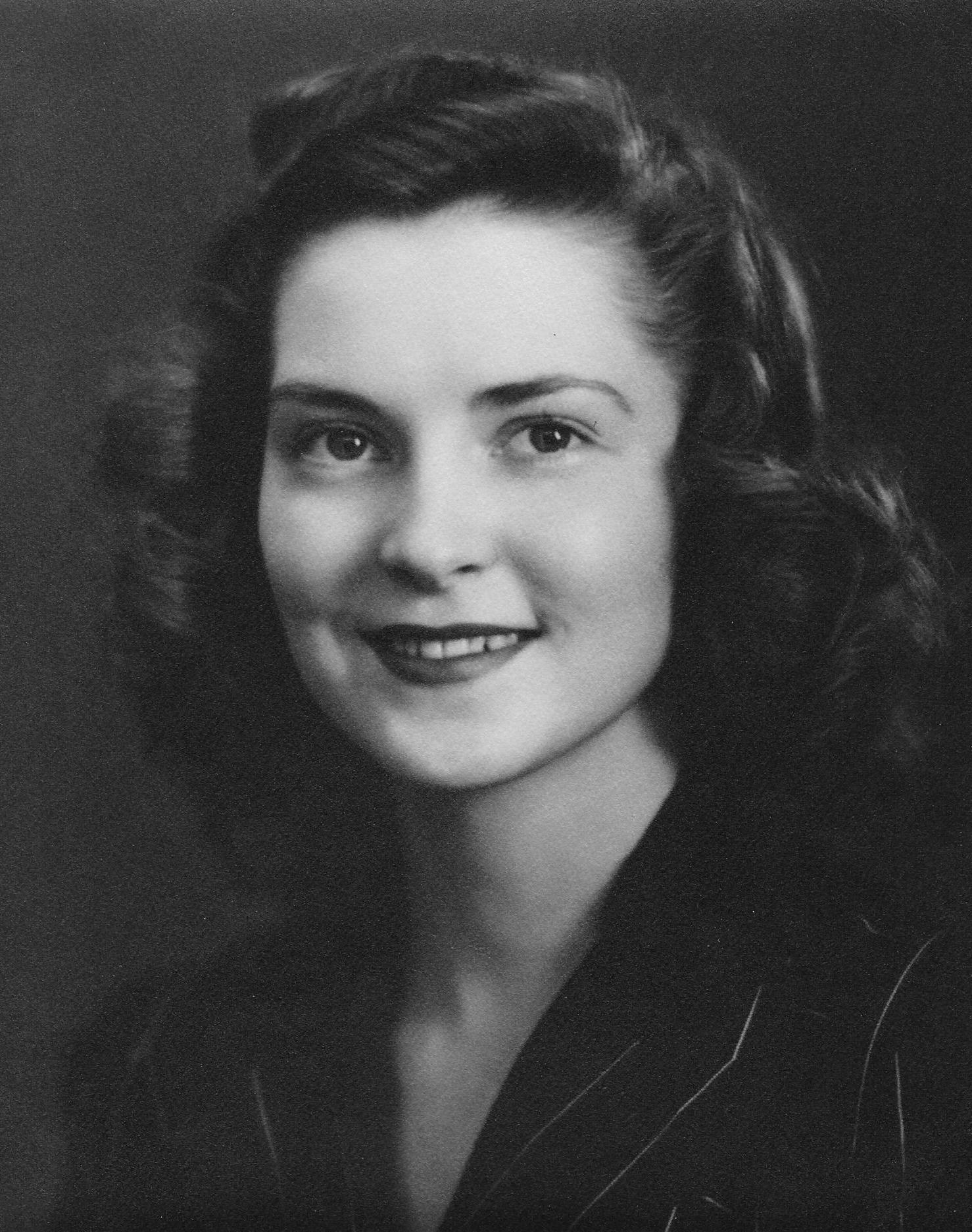
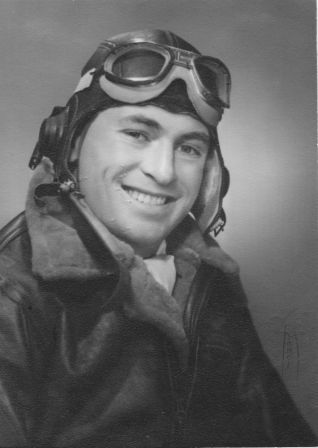
Just learned that Naval aviator Robbie Robinson passed away last week.
Robbie survived a horrific plane crash in the Pacific during WWII. Here’s an excerpt from his chapter “Wings of Gold.”

Robbie took off from his ship, the U.S.S Manila Bay with a full payload of bombs. The crew didn’t spot any enemy activity and at dusk they headed back to the ship.

The weight of the explosives made an already tricky landing more difficult. As they made their approach, Robbie knew they were in trouble. “Without warning the plane lurched and trembled. Like a goose hit in the wing by a volley of shot we plummeted into the Pacific with terrifying finality.”

The plane smashed into the water, shattering on impact. Cascades of water tossed him about like limp seaweed. Blown from the aircraft and barely conscious, he tripped the release on one side of his May West lifejacket, and it partially inflated, supporting his head.

He was plucked from the sea by the crew of a nearby destroyer. Later that night he learned that his radioman, George Driesback Jr., and his gunner, Harold Eckert, had been killed on impact. “They never had a chance,” he said. “They were in the belly of the plane.”

RIP Robbie Robinson. Thank you for your service and for sharing your story with me.


War Bonds

Long before e-mail, there was V-Mail

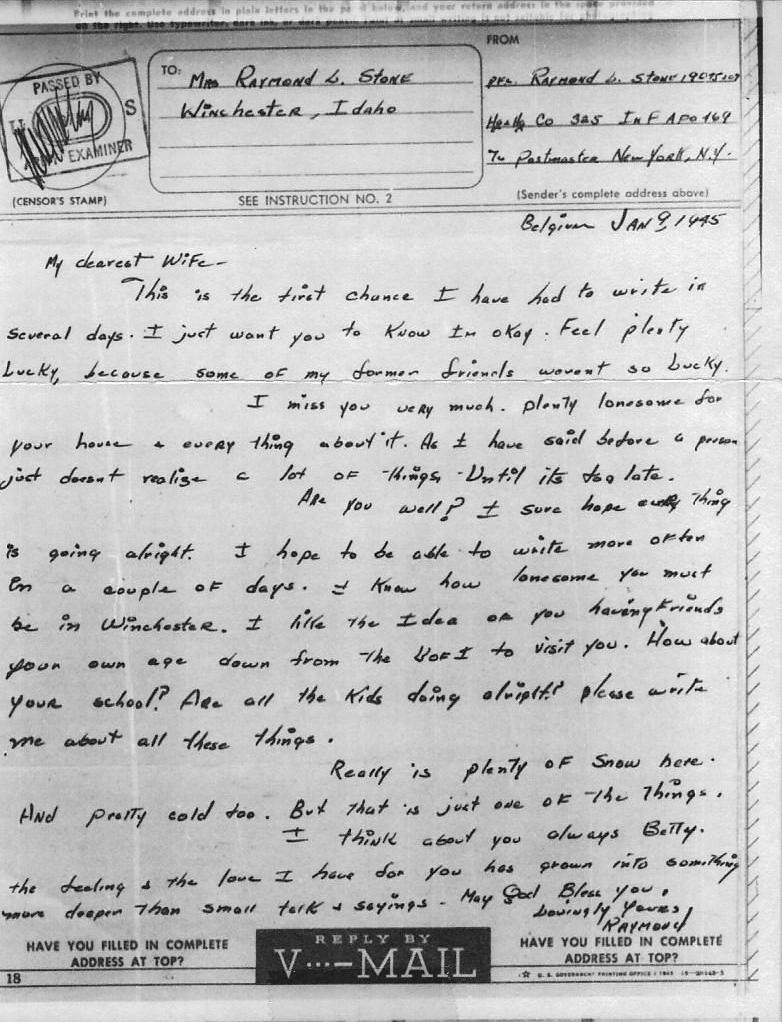
V-Mail from Ray, low resDuring WWII V-Mail (Victory Mail) was the primary way servicemen were able to communicate with their loved ones back home.
In this note, Ray Stone writes to his wife “I think about you always Betty. The feeling and the love I have for you has grown into something much deeper than small talk & sayings.”
He wrote this from Belgium during the Battle of the Bulge.

The horrors of war became most apparent to the young paratrooper when  he and his company liberated Camp Wobbelin in Germany. They found 1,000 dead– mostly Jews and another 3,000 dying prisoners in the compound.

Stone went on to become a lifelong educator, eventually serving as mayor of Coeur d’Alene, Idaho and received the Raoul Wallenburg Award, as well as the Eisenhower Liberation Medal.

Ray and Betty Stone’s story is featured in a chapter titled, “Fireworks.”


Columns

Foundational Support Proves Painful (or These Undies Are a Pain in the Ribs)

The pain in my rib cage jabbed with startling ferocity. I squirmed in my seat in the crowded auditorium, trying to get comfortable.

I was learning a painfully expensive lesson about the high cost of vanity.

You see, there comes a time in every woman’s life when she feels the need for more support – and by support I mean foundational garments. (Male readers feel free to stop here.)

This perceived need for figurative assistance spans the generations. My great grandmother wore a corset. My grandmother wore a girdle. My mother wore a panty girdle. Today’s generation has “shapewear” most commonly found in the brand name Spanx.

Somehow, I’d reached my late 40s without becoming familiar with the misleadingly silky garments that provide an iron-fisted hold on unsightly bumps and bulges.

But recently I bought a new dress – a fitted sheath that looked fabulous – as long as I’m holding my breath.

Have you ever tried to hold your breath for an entire evening whilst simultaneously engaging in lively conversation? At the first wearing of my new dress I was reduced to breathy Marilyn Monroe-ish whispers, and had a stunning headache at the end of the night due to lack of oxygen.

When I confessed my dilemma to a group of friends they expressed shock that I hadn’t yet acquainted myself with Spanx. “Even 20-year-olds should wear Spanx,” asserted one fashion savvy friend.

So, off to the store I went. Combing through the shapewear racks left me reeling with sticker shock. It costs a lot of money to instantly slim and tone. After much dithering I came home with three items guaranteed to give me the sleek silhouette I desired. I could tell these were the real deal, serious grown up undergarments, because my color choice was limited to black or beige. No flirty fuchsia or pretty pink. I purchased a camisole, a pair of panties and something called a high-waisted girl short. I believe in covering all my bases.

This weekend I decided to give my dress another outing. I laid my shapewear purchases on my bed, trying to decide which item would provide the support I needed while still making breathing possible.

In the end I decided to go all out – the high-waisted girl short topped by the camisole. It turns out deciding what to wear was the easy part. Getting dressed? Not so much.

I started with the girl short. The garment slid on with ease until it reached my knees. From there on up it was an epic struggle. For once I was thankful I no longer have time for manicures. If I’d had one it would have been ruined.

Feeling confident the worst was over, I reached for the camisole. I won’t elaborate on the battle. Let’s just say at one point, I had both arms pinned over my head and the danger of suffocation via spandex was very real.

When at last the camisole reached the top of my thighs, I collapsed on the bed. The fact that I’d gotten an aerobic workout and a strength training workout without leaving my house comforted me.

After I recovered, I finished dressing and surveyed the result in the mirror. Not bad. My fitted dress fell smoothly to my knees with no unsightly lumps, and no breath holding needed.

However, once I got into my car I realized I hadn’t tried sitting in Spanx. That edge of that high-waisted girl short began digging into my ribs. Its rubberized edging meant it wouldn’t roll or slide down through the evening, but it also meant I couldn’t adjust the parts that pinched.

I could stand and walk and talk with ease, but sitting proved miserable, and I was in for a night of sitting.

As the evening progressed, so did the pain in my ribs. I tried to adjust the girl short through my dress, but I couldn’t budge it. The snug camisole prevented me from getting a grip on the edge of the offending garment. My “more must mean better” philosophy proved painfully inaccurate when applied to shapewear.

Finally, the discomfort outstripped my vanity. I slid out of my seat and made my way to the restroom where I peeled off the girl short and tucked it into my purse.

I felt like a new woman when I returned to my seat. Shapewear may be all the rage, but I think I’ll stick with the shape the good Lord gave me. Lumps, bumps and all.

This column originally appeared in the Spokesman Review. Contact Cindy Hval at dchval@juno.com. Her previous columns are available online at spokesman.com/columnists. Follow her on Twitter at @CindyHval

War Bonds

Every Two Minutes a Memory Disappears

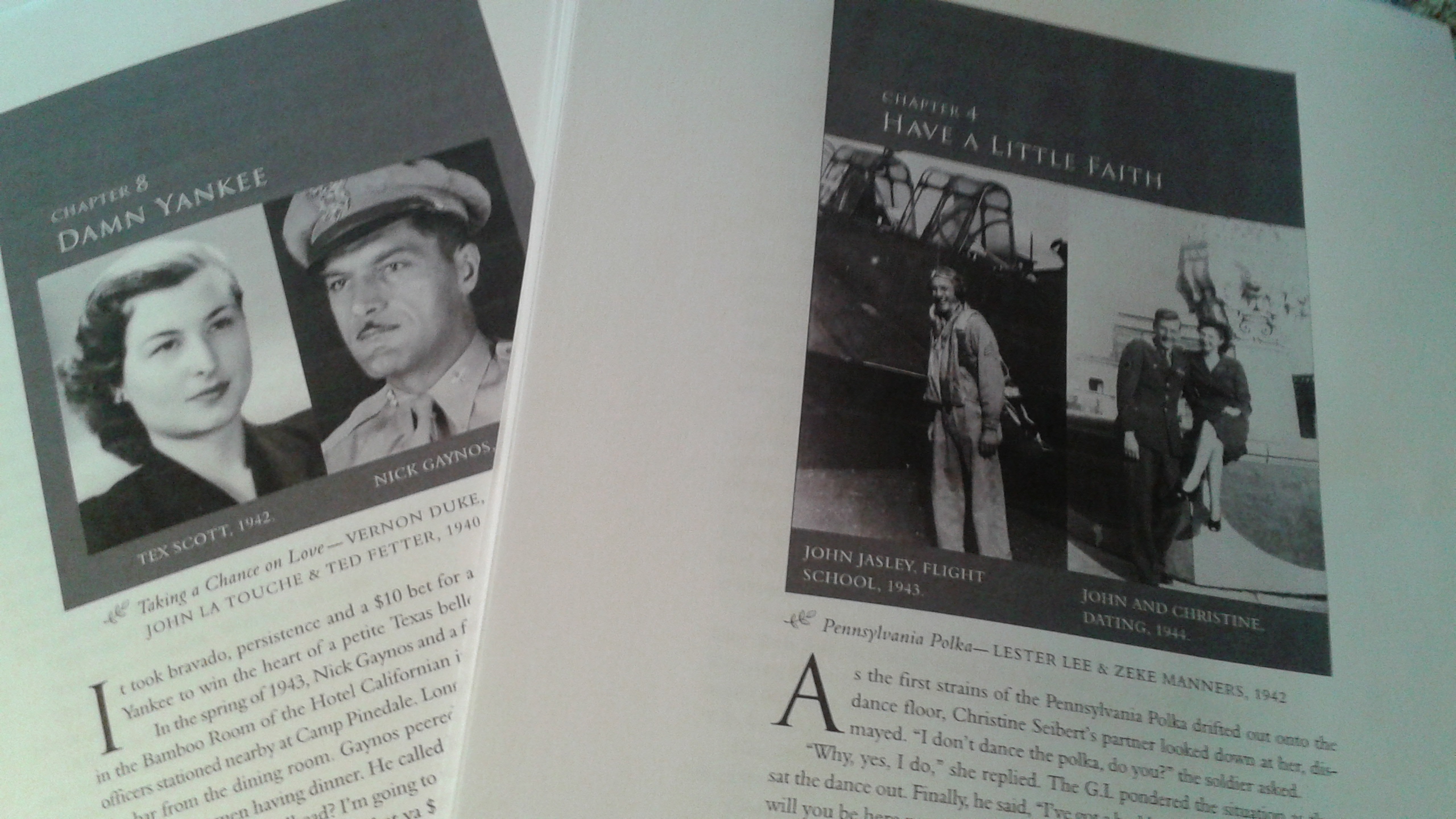
According to the National WWII Museum, approximately every two minutes a memory of World War II – its sights and sounds, its terrors and triumphs – disappears.

That’s because our WWII vets are dying at a rate of 555 a day. By 2036, it is estimated there will be no living veterans of World War II left to recount their experiences.
I am so grateful to have been able to meet and interview so many of these amazing veterans. Their stories are important and deserve to be shared.

Columns

Soldier left lasting impression

11222012327060032108057A_t210[1]Staff Sergeant Matthew Henrick Stiltz

His face stared out me from the photo album. Dark hair with straight bangs falling across huge green eyes. A goofy grin and a Nintendo controller clutched in his hands.

Taking a sharp breath, I blinked rapidly as my eyes filled with tears. He looked so much like my son Alex they could have been twins.

Not all stories can be told in 1,000 words or less. Sometimes the nuances don’t match allowable column inches. Every once in awhile, the rest of the story stays with me – an unwritten, but ever-present ghost.

Today’s story about Matt Stiltz, for example.

When a local credit union decided to name one of its scholarships after the Shadle Park grad who was killed while serving in Afghanistan, I called his parents, Mark and Terri Stiltz, to see if they’d be willing to be interviewed.

They agreed, but during the course of our conversation I learned that it wasn’t an easy decision for them. After Matt’s 2012 death, he was featured in a flurry of newspaper and television news stories.

Strangers reached out to Mark and Terri, sending mementos, cards, even memorial dog tags. Military specialists shepherded them through the process of retrieving Matt’s body and funeral arrangements. Gold Star families sent a beautiful quilt. “We were embraced by a new family,” Mark said.

All the attention proved both comforting and unsettling. While thankful for the interest in their son, they know he’s just one soldier out of thousands who’ve lost their lives in Operation Iraqi Freedom and Operation Enduring Freedom. Are those stories being told, they wondered?

Having their picture in the newspaper made them feel uncomfortable. Mark said, “We haven’t done anything special.”

Sometimes reporters are accused of journalistic voyeurism – of peering into private moments and broadcasting them to the world. And sometimes it feels that way as I sit with grieving parents or spouses, carefully documenting their heartbreak. But I believe the death of a bright 26-year-old man isn’t just a loss for his friends and family – it’s a loss for the community and for the country he loved and served.

Mark and Terri were so transparent with me that I wanted to be equally frank. I explained the short shelf life of media interest. “Honestly, five years from now it’s unlikely anyone from the newspaper will be calling,” I said. “And the only people who will remember Matt are those who knew and loved him.”

So, we sat at their kitchen table with photo albums and Matt’s baby book in front of us. Stories and memories tumbled out. Some made us laugh. One of Matt’s chores was cleaning up after the dog in the backyard. He developed a special outfit to deal with this task.

Terri said, “He’d put on his scuba mask and snorkel and attach two empty two-liter pop bottles to his back.” That’s right. He’d developed a dog clean-up breathing apparatus.

She continued, “He’d put on gloves and off he’d go. He wore this every time! I wish we’d got a picture of him in it.”

Turning a page, I came to the photo that took my breath away. “He looks so much like my second son,” I said.

The photo blurred as I gazed at it. That grin. That game controller. That glint in his green eyes.

Taking a breath, I quickly turned the pages to see pictures of Matt playing his trumpet or celebrating birthdays. I began to get a sense of the boy he’d been.

A lasting sadness for his parents is that since he joined the military immediately after graduation, they never really got to know the man he’d become. “The military grew him up,” Mark said.

Soon it was time to go. I thanked them for allowing our readers a glimpse of the person behind the Matthew Stiltz Scholarship.

As I drove away the tears I’d blinked back returned. I realized I hadn’t been truthful when I’d said five years from now, the only people who would remember Matt were the people who knew and loved him.

I never met him. But I know I’ll never forget him.

Staff Sergeant Matthew Henrick Stiltz

B. August 5, 1986

D. November 12, 2012

Contact Cindy Hval at dchval@juno.com. Her previous columns are available online at spokesman.com/ columnists. Follow her on Twitter at @CindyHval.

This column first ran in the Spokesman Review, April 3, 2014

Columns

I Left My Heart in Houston

Hval 19He leaned his head against the window as the plane powered up for takeoff, and when the ground slipped away, his face split into a familiar grin.

At 21, our son Alex was enjoying his first flight. While it was fun to share the experience with him, my feelings were decidedly mixed. Derek and I were taking him to his new home in Houston.

I’m not a newbie when it comes to kids leaving the nest, but I’ve never had a son fly so far. Alex and his older brother, Ethan, 24, have always lived within a few miles of the family home. Houston is 2,123 miles from Spokane by car. I know. I checked.

The fact that this is the right choice for Alex and a great opportunity for him didn’t dull the ache in my heart. Flying is expensive and time-consuming, and it will probably be a year before we see him again.

The trip wasn’t all gloom and despair. We laughed at the airport when Derek got flagged for special attention by the TSA agent. “Sir, do you have anything in your crotch area?” the agent asked.

Derek looked bewildered. I could see so many possible – but inappropriate – replies flashing through his mind. Alex and I collapsed in a fit of giggles, while Derek calmly endured his pat down. “I’ve had Army physicals,” he said. “That didn’t even come close.”

Soon we were buckled in and on our way. It doesn’t surprise me that this son is the first to move so far from home – I’ve spent many years chasing him. I yelled “Slow down, Alex!” so much he thought Slowdown was his first name.

He’s always been fearless. He never found a tree high enough, a skateboard ramp steep enough, a roller coaster fast enough. Unfortunately, that same fearlessness propelled him headlong into some bad choices, and now at last he’s ready for a fresh start.

While I wish he could have that new beginning closer to me, I’ve supported and encouraged this move. He won’t know the strength of his wings until he tests them.

After a long day of travel we found an Italian restaurant within walking distance of our hotel. We laughed and traded stories and remembrances throughout our meal, trying our best to not make it seem like a last supper.

The next day, we loaded the rental car with all our son’s worldly goods – at least those we could afford to fly out with us, and delivered Alex to his new digs.

We spent some time touring the area, but we all knew we were putting off the inevitable. At last, Alex wrapped his arms around me in a fierce hug. “I love you, Mom,” he said. “Don’t worry, I’ll be fine.”

Derek and I walked to the car and sat there for a long time. Neither of us felt confident enough to navigate a strange city with tear-filled eyes. I turned to my husband, “Can you believe he said, ‘Don’t worry, Mom!’ You’d think after 21 years, he’d know me!”

My husband shook his head. “It’s time to let him go, Cindy.” And with that he started the car. “Let’s go to Galveston!” he said. And we hit the road.

Less than an hour later we were on a ferry watching dolphins play and pelicans swoop in to catch fish in the bay. We took a long walk down acres of sandy white beach. We walked in silence for the most part – each lost in our own memories of our dark-haired boy.

Watching the waves crash and break along the shore soothed our tender hearts. We stood on a jetty for the longest time until the wind picked up and the spray sent droplets our way. I took Derek’s hand. “This was a good idea,” I said. And I didn’t mean just the Galveston outing – I meant our decision to help our son launch into a brave, new life.

We spent the next day in San Antonio. And at each stop from the Alamo, to Ripley’s Believe It Or Not Odditorium, to the delightful shops and restaurants along the famed Riverwalk, we’d turn to each other and say, “Next year… .” Or “Alex will love this … .”

If baby birds need to fly from their nests to strengthen their wings, then perhaps mommy and daddy birds need to strengthen their hearts by letting their little ones fly.

All I know is my heart didn’t break when our flight took off and circled the sprawling city. How could it? I willingly left a piece of it in Houston, and it will still be there for me next year when I return.

This column appeared in the Spokesman Review, May 15, 2014.

War Bonds

Fundraiser for WWII vet who died destitute

This story from the Huckleberries Online newspaper blog broke my heart. That one of our heroes should die alone and destitute seems unthinkable. Bless the generous donor who paid for his fune

A brave combat veteran of the storied 10th Mountain Division who recently died destitute will be honored with a “Beer and Brats” fundraiser on November 2, 2014 at St. John the Baptist Orthodox Church in Post Falls. Jim Ayers, who served in the 10th Mountain Division during World War II as the United States Army fought its way across Italy, recently died destitute and without any surviving family members and his funeral costs were paid by a generous anonymous donor. St. John the Baptist Orthodox Church is holding a memorial “Beer and Brats” fundraiser to reimburse this donor for those costs/Jennifer Dancy, of St. John the Baptist Orthodox Church, Post Falls. More here.

This fundraiser will be held on Sunday Nov. 2nd from 1-3 PM at St John the Baptist Orthodox Church in Post Falls located at 4718 E. Horsehaven Avenue. Visit http://www.stjohnorthodox.org/directions.html for directions.


War Bonds

Rest in peace Harvey Shaw

Harvey Shaw at the wheel, low res

Harvey Shaw at the wheel of the USS Kwajalein, 1944

Just received word that this handsome sailor died October 7. Harvey Shaw was a kind and gentle man who dropped out of high school during WWII and enlisted in the US Navey because he liked to swim!

He was proud to have served his country, but even prouder of his 64-year marriage to his wife, Bonnie and of their six children.

Rest in peace, Harvey. Thank you for your service and for sharing your story with me.

War Bonds

War Bonds veteran is in Washington DC today

Rusty, low res, Bougainville, 1944This handsome solidier is In Washington DC today visiting the World War ll Memorial, courtesy of Inland Northwest Honor Flight. Rusty Clemons was stationed on Bougainville Island during the war.The story of he and his bride, Marie, is featured in War Bonds in a chapter titled “Dishpan Hands.”