Columns

Obituaries: snapshots of lives in the community

The heartwarming response to my revival of Shawn Vestal’s periodic obituary columns revealed that I’m not alone in my appreciation of the portraits obits paint of our community.

After the column ran, I came across a comment on my Facebook page from a former S-R photographer.

“Obituaries are the history of our community and stories that the newspaper has missed,” he wrote. “Possibly the best and most relevant content in the paper.”

Here are a few more of those stories.

Susan Emry died at 71. She captured her future husband’s attention at a party by saying supercalifragilisticexpalidocious backwards. He charmed her by tuning his harmonica in orange soda.

Together they raised three children, teaching them to be charitable, truthful, grateful and forgiving.

She loved numbers and good food, and her parting words were often “Go be great today!”

Mike Lewis died on Aug. 18, but his stories live on. He often held court at the dinner table, regaling his family with tales of his childhood. He told of the time he worked an entire summer on a farm for an ice cream cone. He dug a basement by hand, had a pitchfork run through his thigh while hiding from his cousin in the hay, and once had to paint the bottom of his feet black, so it looked like his shoes had soles.

In addition to his stories, his reliability became his legacy. Mike showed up for his kids and grandkids. Games, recitals, birthdays – if it was important to them, it was important to him. Through gestures big and small, he was available, involved and supportive. His steady presence left a lasting impact.

Leaving a legacy of a well-lived life is a worthy goal, and that’s what was said of Chad Manley.

The lifelong music lover died at 53, but his memory echoes with wit, kindness, hard work and sacrifice.

His obituary says, “Cancer may have caused Chad’s death, but it never defined his life.”

He spent his final year making lasting memories with his wife, reconnecting with old friends, and listening to birds sing. Even while enduring daily radiation treatments, he said, “I’m not dying – I’m finally living.”

Lena Windishar was not only beloved by her seven children but also by their friends.

Her kids learned to dance because she and her husband, Frank, danced in their living room and taught them.

They learned how to be fully present for others, watching Lena care for her parents, and experiencing her focused attention over a cup of tea at the kitchen table.

She was so full of life that it took a while for her to say goodbye.

Her last four years were spent in and out of hospice care. She’d appear to fail, only to come raring back. Her obit put it this way: “Seriously, does anyone get kicked out of hospice? Lena did, three times.”

While usually focused on others, she did indulge in a bit of self-care by purchasing salty/crunchy snacks for herself and stashing them away.

At the reception following her funeral, salty snacks were served.

Sometimes an obituary hits close to home.

On Sept. 14, we lost our neighbor, Brian Chaffee, at 69.

We’ve lived next door to the Chaffees for 32 years and raised our families side by side. Brian kept a finger on the pulse of the neighborhood and was always ready to lend a hand. He and Derek enjoyed long over-the-fence chats.

This summer, I ran into Brian on my afternoon walk. We caught up on our kids and grandkids, his face beaming with pride as he spoke of his family. He said he was walking to get in shape for “motorcycle season.”

Brian loved riding motorcycles with his sons, and that’s what he spent the last day of his life doing. His death following a race was an unexpected shock.

His obituary offered a snapshot of the life he lived and the people he loved, but I would add just one more thing.

He was a good neighbor.
All Write, Columns

Obituaries tell the story of a community

Since Shawn Vestal’s departure from The Spokesman-Review a couple of years ago, what I miss most are his semi-regular recaps of local obituaries.

Each column started with this: “One obituary is a portrait of a life. Several taken together form a portrait of a community.”

When I ran into Shawn at a recent Northwest Passages event, I asked if it would be OK with him if I revived the format in my column.

The following snapshots gleaned from recent obituaries introduced me to people I wish I’d known. People like Mari (Jensen) Clack.

Mari, a Democrat, married Dave, a Republican, and they enjoyed 65 years together before her death on Aug. 2. That’s not to say every day was harmonious, as this story reveals.

“Christmastime brought good cheer as well – most of the time. Dave famously added two stocking stuffers to Mari’s Christmas stocking without Santa’s approval. The first was a big, baby blue Hoover vacuum, and the second was a 15-passenger Dodge van to haul everyone’s kids to activities. The vacuum was re-gifted to Dave immediately, and the van made it two years before Santa or Jesus told Dave to replace it with a yellow Porsche.”

Her life was marked by numerous personal and professional accomplishments, including the co-founding of the Women Helping Women Fund in 1992. The fund has raised over $7 million for more than 600 grants and scholarships.

Mari expressed her faith in a letter she wrote when she learned she had breast cancer.

“When humans show their potential, it shows the wonder of divinity – of God – of a higher power – and the beauty of the universe – a wondrous environment, tempered only by the persistence of ignorance and greed. God works through the deeds of good people doing good things.”

Other obituaries leave lingering questions.

Richard Stanley “Stan” Hallett died on Aug. 8. He played golf, ping-pong, basketball and baseball. He enjoyed rec league softball well into his 70s. His obit said his softball career ended when “he got walloped in the shin. Some of you might remember that.”

Wouldn’t you like to know the rest of that story?

Ethel Mae DeStefano reached the century mark. She served as personal secretary to First Lady Eleanor Roosevelt!

Ethel Mae enjoyed a happy hour Bud, and cheering for the Mariners and Gonzaga.

She spent the majority of her life in Spokane, raising seven children with her husband, Ray. Her motto was “the more the merrier,” and she created a home where everyone felt welcome.

Often, the simplest things leave a lasting impression.

Clifford “Cliff” Kelly loved to travel, cook, drink wine, watch the 49ers and the Mariners, and read a good book.

His family and friends said they will always remember him as a kind old soul with a lovely laugh and a penchant for breaking into song.

Ellis Allan “Mac” McEachern joined the Army in 1943 and was assigned to the 101st Airborne Division. He took part in five combat jumps during World War II and fought in the Normandy campaign, the Ardennes, Rhineland, and the Battle of the Bulge. He earned six service medals, including the Bronze Star.

After retiring from Lockheed at age 55, he moved to Spokane. He spent a good part of his retirement years thinking about how he could improve a process to save time or offer more convenience. He built “contraptions” to make a process more efficient. Solving problems with his inventions became his passion.

He lived independently in his home until he died at the age of 101.

Not everyone gets to see the fullness of their years. Some lives are tragically cut short. Even so, they can leave a lasting legacy.

Sarah Doxey died on July 16. She was 48.

She loved books, podcasts, documentaries and deep conversations. She laughed loudly. She did hard things. She put her makeup on in the car. She drank Red Bull instead of coffee. Sarah embraced people for who they were and created space for everyone to feel seen.

Her obituary listed ways to honor her. “Go on the vacation. Take the leap. Wear the shorts. Hug your kids. Call your friend. Go for the run.”

I never met Sarah, but in her honor, I’m doing all of the above.

Except the run is a 3-mile walk because I know my limits.

I think Sarah would understand.

All Write

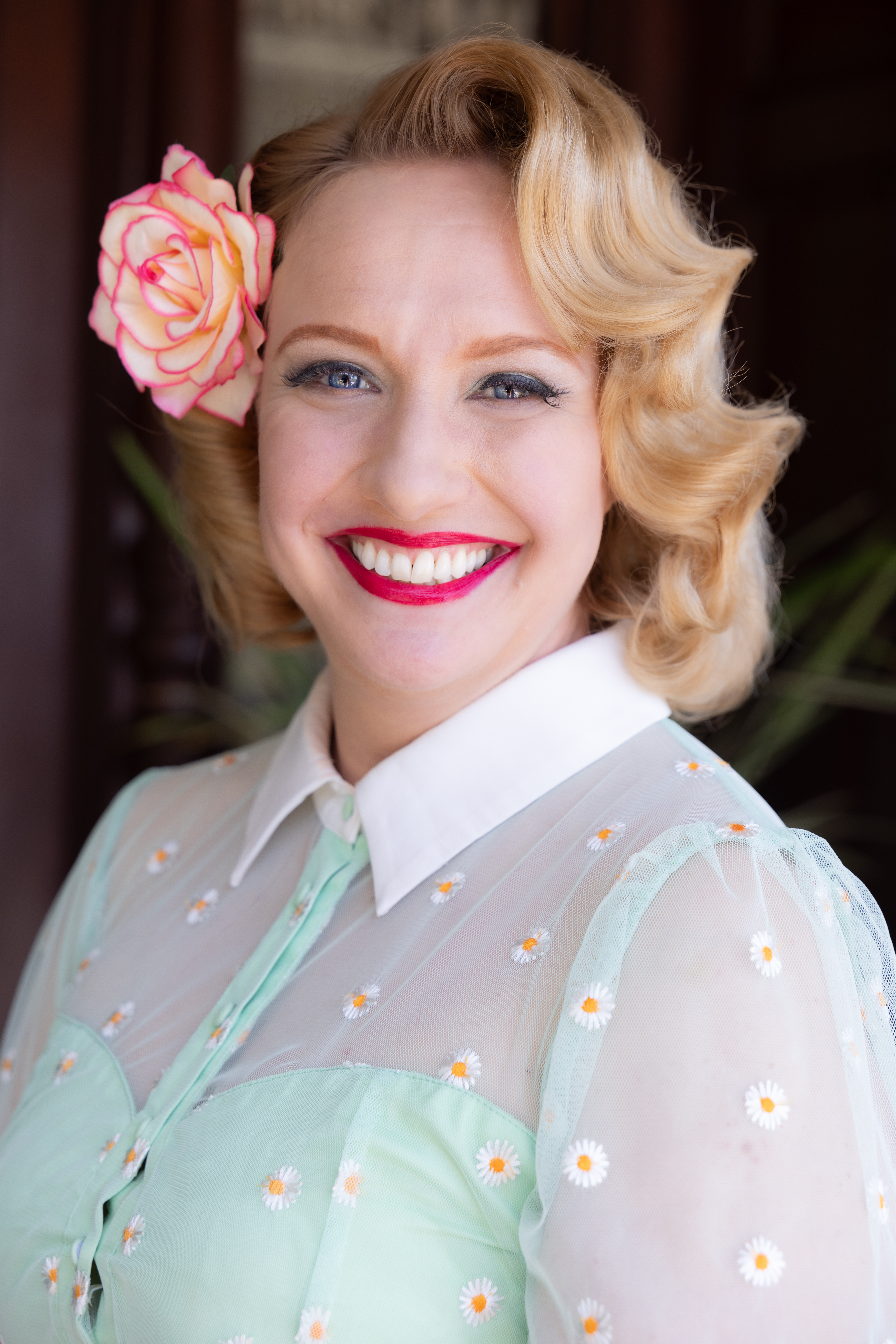
Purple Heart Pin-Up

During World War II, pinup girls with porcelain skin, scarlet lips and daintily arched brows offered troops reminders of the girls back home.

Gina Elise loved that glamorous look and decided to use the nostalgia to support contemporary troops. In 2006, she launched Pin-Ups for Vets, a nonprofit with a mission to raise funds for hospitalized veterans and to boost the morale of deployed servicemen.

“Each year, we create a calendar featuring female veterans from across the country,” she said. “The calendar fundraises for everything we do, from donating rehab equipment to VA Hospitals to shipping care packages to troops to our 50-state Veterans Hospital Tour.”

Pin-Up Vets have visited 20,000 veterans in 49 states, delivering gifts of appreciation.

This year, the organization released its 19th calendar, and Miss January hails from Spokane. Kodie Misiura served four years in the Marines and deployed twice to Iraq.

Misiura said she opted to enlist partly out of orneriness because her dad didn’t want his daughter in the military.

“My dad said, ‘Kodie, some guys can’t make it through Marine Corps boot camp. How are you going to?’ ” she recalled. “That’s all it took.”

Today marks the 249th birthday of the U.S. Marine Corps. Women make up less than 6% of the Corps.

She’s proud to be one of them.

“Being a Marine is special – being a woman Marine is even more special. The fewer. The prouder,” she said, riffing on the classic Marine slogan: The Few. The Proud. The Marines.

Misiura is also in rare company as one of approximately 500 women in the U.S. military to receive a Purple Heart.

On June 23, 2005, she survived one of the worst days for women in the history of the military when a suicide bomber attacked her convoy. Three of her fellow female Marines died, and 11 more were injured in the blast.

It’s a day she prefers not to discuss. Instead, she focuses on the friendships she formed and the experience she gained.

“The military afforded me every opportunity,” she said.

She currently works in veterans’ services for the state of Washington.

When a fellow Marine sent her the calendar casting call, Misiura was intrigued.

“I’m not a girly girl by any means,” she said. “But I love pinups and that vintage look.”

After reading how the nonprofit supports veterans and active-duty personnel, she decided to go for it.

Pin-Ups for Vets founder Elise said they receive hundreds of submissions from veterans across the country.

“This year’s calendar features 13 female vets with a combined 117 years of service,” she said. “Kodie is one of two Purple Heart recipients in the calendar.”

Misiura said the experience was a whirlwind.

“I flew down to California, and they did my hair, makeup and costume all in one day!”

Elise said the women revel in the process.

“They have a blast,” she said. “We turn them into 1940s bombshells.”

Misiura enjoyed every minute.

“It was cool, because I got to meet some of the other women veterans,” she said.

When the calendars are printed, the Pin-Up vets visit VA hospitals and veteran’s homes to deliver and sign them.

“They have an instant vet-to-vet connection,” Elise said.

But that connection isn’t always so instantaneous. Usually, the veterans don’t know the calendar girls are fellow vets.

Misiura recently visited a veteran’s home in Columbia Falls, Montana. She went from room to room chatting with the vets and offering to sign a calendar for them.

One vet wasn’t inclined to talk. She noticed his display of medals.

“I see you have a Purple Heart,” Misiura said. “Thank you for your service – I have one, too.”

He was shocked, and when she showed him her pinup photo in the calendar, he opened up and began to chat.

“It was a nice way to connect,” she said.

But those without an array of medals to show for their service also command her respect.

“A lot of veterans think if they didn’t deploy, they’re not a vet,” Misiura said. “I tell them signing up shows your courage. A veteran is a veteran is a veteran. It’s a humbling experience to visit them and share our stories.”

For more information or to purchase a calendar visit pinupsforvets.com.

All Write

War Bonds Reaches New Zealand

I got a note from my publisher this morning forwarding me this message from a reader in New Zealand. Still in awe that “War Bonds” is being read around the world!

“Could you please pass on my thanks to Mrs. Hval for this book?
It was a privilege to read the stories of ordinary couples living through and doing extraordinary things.

My late father was an ordinary soldier in WWII who fortunately left a memoir (which I didn’t know about till after his death) and together with my mother they left behind their wartime letters which have been wonderful to read.I wonder if she knows about the US Marine War Memorial here in New Zealand at Queen Elizabeth Park, Paraparaumu, Wellington. The Marines were based there, training, before going to fight in the Pacific. Sadly ten of them drowned in a landing practice.”

Yours sincerely,
Julie

All Write

What Better Way to Say I Love You?

My publisher tweeted this sweet blurb.

Happy Valentine’s Day! Be inspired by the romantic love stories of America’s greatest generation in ‘War Bonds’ by @CindyHval.

🛒Order -> https://t.co/CKQZunJl8N
#ww2#historyhttps://t.co/C04PN4TnTM

All Write, Columns

The Final Reunion

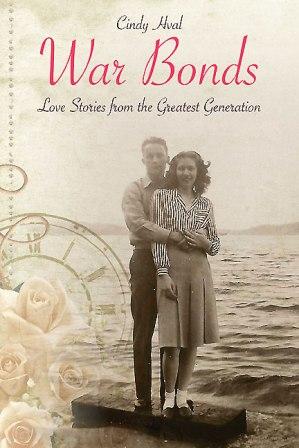
Military spouses are experts at saying goodbye. Separation is a fact of life, and no one knew this better than the men and women featured in my book “War Bonds: Love Stories from the Greatest Generation.”

During World War II, these couples’ farewells were fraught with fear. There would be no emails. No texts. No FaceTime with the family. Letters and scant phone calls or occasional telegrams had to suffice.

But, oh, the reunions! Most of the 36 couples profiled in “War Bonds,” vividly remembered and described the moment they saw their spouses when they finally came home.

In the past six weeks, three of those brides experienced their final reunions with their husbands. This time they won’t have to say goodbye again.

Melba Jeanne Barton died Nov. 30. She and Don were married 67 years before he died in 2013. That eight-year separation marks the longest time they’d spent apart.

She’d met Don at a Grange dance two months after he’d returned from flying B-29s in the Pacific theater. He’d endured a horrific loss when the plane he piloted was hit in battle, and his young navigator was killed. Decades after the experience his eyes still filled with tears when he spoke of it.

“He was a nice kid – a real nice kid,” he’d said.

You might think Melba Jeanne would be immediately smitten by the dashing pilot. After all, he shared her Christian faith, and he was a great dancer. But Don was a farmer, and Melba Jeanne swore she’d never marry a farmer.

“Feeding chickens and milking cows – none of that stuff appealed to me,” she said.

But Don’s patient persistence and promises that she’d never have to do farm chores won her hand and her heart.

They raised three daughters on their family farm. And Melba Jeanne discovered the best benefit to being a farmer’s wife.

“On the farm, your husband is never far away. We’ve always done everything together,” she’d said.

Bonnie Shaw died on Dec. 5. She met her husband, Harvey at Central Valley High School when he was home on leave and visiting his siblings.

Despite his uniform, Harvey was just a boy himself. “I got stupid and quit school right in the middle of my sophomore year,” he recalled. “I just didn’t think. A few months later, I was in the Navy.”

He said goodbye to his family and set sail on the USS Kwajalein, but Bonnie didn’t forget about him. He returned home in 1946, and when Bonnie and her boyfriend broke up, Harvey wasted no time.

“When we finally got together, we just really fell in love,” she recalled.

And just like sailing the Pacific, their courtship wasn’t without bumps. Bonnie was a devout Catholic and Harvey was not. Unbeknownst to her, he began taking instruction at St. John Vianney, and they wed there in August 1950.

They spent 64 years together. Harvey died in 2014, not long before “War Bonds” was published.

When I’d called Bonnie shortly before his death she said. “He’s not doing very well, but he asks me to read him your column, and every time I do, he smiles.”

We both cried a bit then.

Bonnie gave Harvey nightly back rubs and the last words they whispered before falling asleep were “I love you.”

“Harvey is my heart,” she said.

Bonnie and Harvey Shaw, 2014

Lastly, Betty Ratzman died Dec. 26.

To know Betty was to love her. A prolific writer and avid letter-writer, Betty’s fierce intelligence and sharp wit delighted all who knew her. I treasure the letters I received from her.

Bett Ratzman with Cindy Hval at a taping of “Spokane Talks,” 2016.

In fact, she won her husband’s heart through the mail.

They’d met on a blind date in 1943, and when Dean Ratzman shipped out with the Navy, she told him not to get his hopes up.

He ignored her warning and treasured both her photo and the letters she wrote to him while he was at sea.

“You can find so much more about someone in letters,” he’d said.

They married in 1946 and spent 73 years together until Dean died in 2019.

Fit and active, the couple attended many “War Bonds” events, gladly meeting folks who marveled at their lasting love.

The last time I spoke with Betty shortly after Dean’s death, she wanted to know all about my sons and my cats. Then her quavery voice broke a bit.

“Oh, I miss Dean. I miss him so much,” she said.

Betty Ratzman, Cindy Hval, Dean Ratzman at a “War Bonds” event, 2015.

I miss Betty, and Bonnie and Melba Jeanne.

The “War Bonds” brides are at the heart of what made our country great. They endured separations and rationing. They tackled nontraditional jobs and learned new skills, to keep our country going during the war. They gave their husbands something to fight for and a reason to come home.

While I celebrate each couple’s heavenly reunion, I can’t help but think our world is diminished by their absence. I know my little corner of it is.

All Write, War Bonds

Last ‘War Bonds’-featured couple die 18 days apart

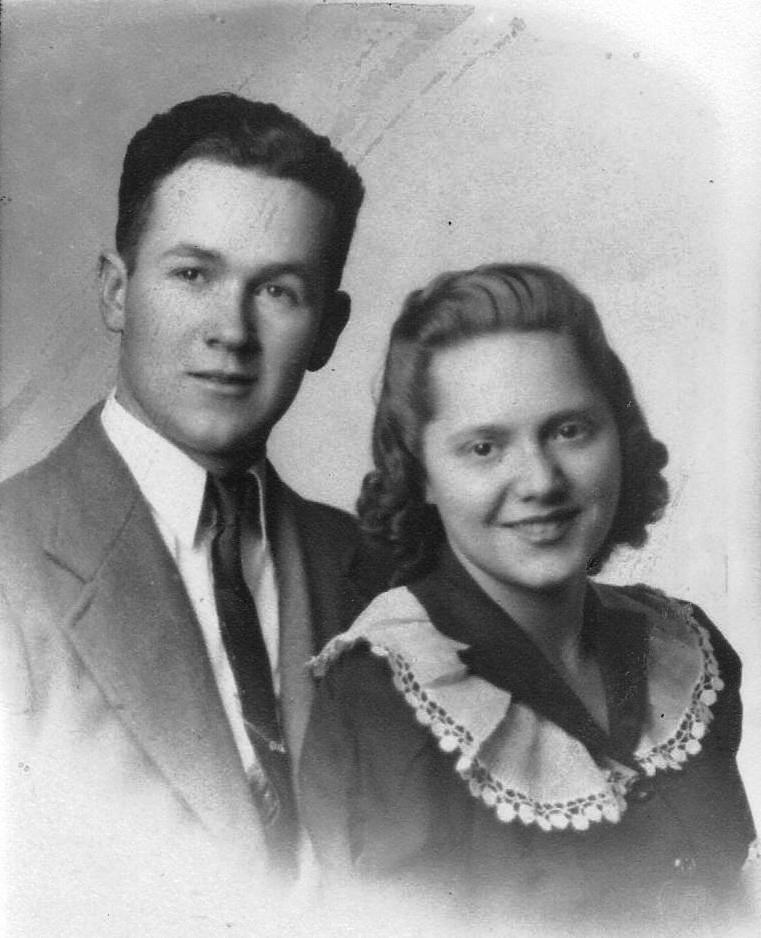
Mitson wedding photo low res

He thought she was a skinny kid, and he didn’t want to be seen with her.

She thought he was “just another boy.”

But first impressions aren’t always lasting. On July 11, Charlie and Mable Mitson would have celebrated their 78th wedding anniversary – and for all we know they did, just not here on this earth.

Mable died on June 3 and Charlie followed 18 days later on June 21. Finally, Mable got to go somewhere new before her husband. After all, she’d followed him through 22 moves, during his many years of military service.

I first met the Mitsons in 2010 when I featured them in my “Love Story” series for The Spokesman Review. I followed up with them a few years later, when I included their story in my book “War Bonds: Love Stories from the Greatest Generation.”

Visiting them in their South Hill home was always a delight. They were both quick with a quip, finishing each other’s stories, and teasing each other when one remembered something differently.

Charlie sometimes deferred to her because he said, “she’s older than me.”

Mable was born in July 1924, Charlie in September.

They met at church in Coeur d’ Alene, and when those first impressions wore off, they quickly became a couple. They married when they were both just 17.

Charlie had landed a $40 per week job at the newly opened Farragut Naval Station and said, “I decided I could afford to get married.”

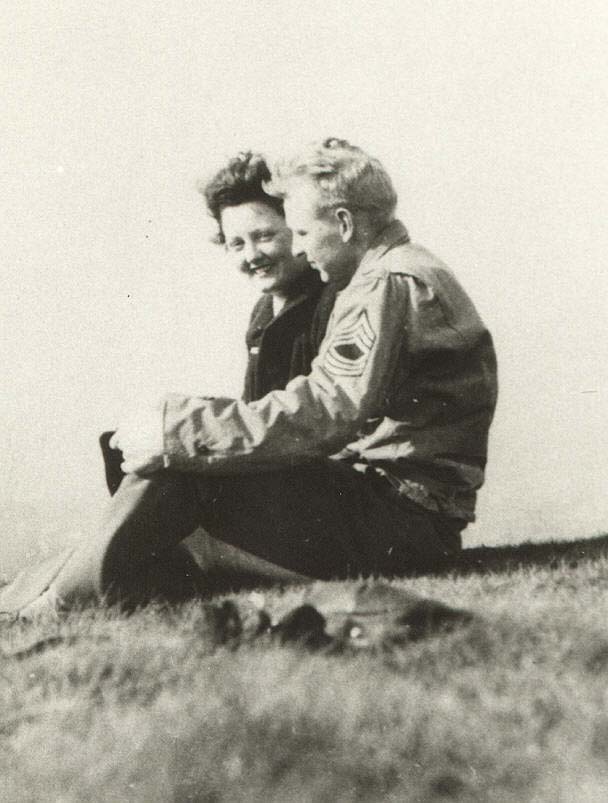
He was drafted into the U.S. Army in 1943, leaving his wife and infant son behind.

Charlie served with the 517th Parachute Regimental Combat Team. His World War II service included a grueling Italian ground fight, the invasion of Southern France, the Battle of the Bulge and the occupation of Berlin at war’s end.

Mable said, “I remember him telling me, ‘You just had to go over the dead and dying and keep moving.’”

Still, Charlie counted himself lucky. His only injury came from a piece of shrapnel that struck his leg. He shrugged. “I didn’t even know I was hit, ’til someone said, ‘You’re bleeding!’ They put a bandage on it, and I just kept going.”

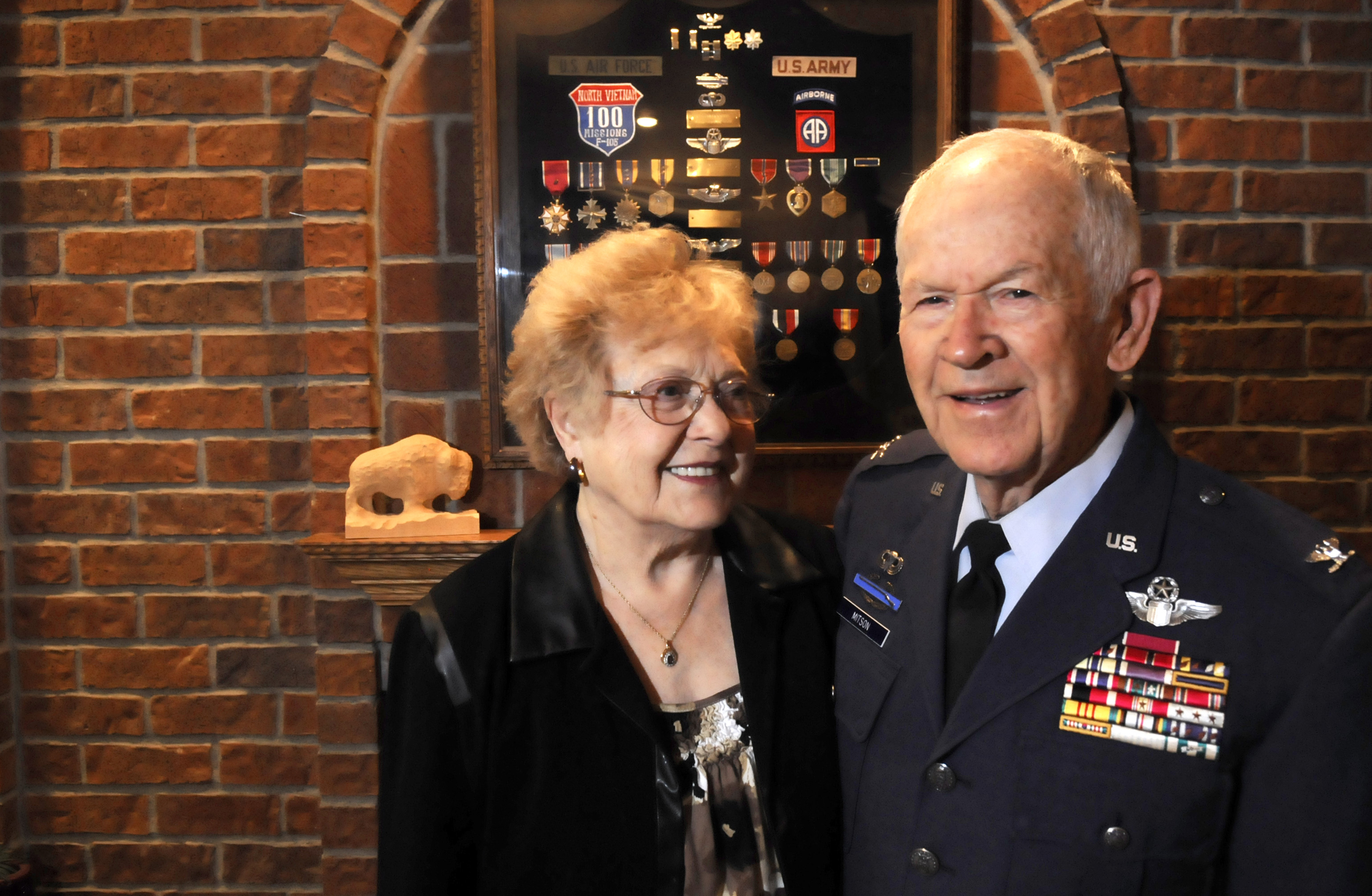
He mustered out in 1945, but he didn’t stay out long. In 1949, he was accepted into the Air Force Aviation Cadet program and launched a 30-year career as a military fighter pilot. He flew 100 combat missions as an F-86 pilot during the Korean War, and 100 combat missions over North Vietnam as an F-105 pilot, before retiring as a colonel at 54.

And Mable?

“I followed him everywhere,” she said.

She did more than just follow. She was a consummate hostess, often entertaining military personnel all over the globe. And she was the ever-present centerpiece of their family, which grew to include five children.

Their retirement years were just as busy as their military years, as they deeply invested in their church, their grandchildren and in numerous volunteer activities.

Charlie credited their abiding friendship as the key to their loving marriage.

“Make sure you have a good solid friendship before you get married,” he’d advised.

Mable said having a positive attitude helped her endure their many wartime separations.

“Wherever he was I always knew he was coming home,” she said.

So, I’ve no doubt she was expecting Charlie to arrive at any moment during the 18 days that passed between their deaths.

In “War Bonds” Mable recalled how they were separated for a year and a half during World War ll. She went to meet him at the train station, wondering how the war had changed him, wondering if she’d recognize him.

“Did you spot him among all those soldiers?” I’d asked.

Her face lit up.

“I did. Oh, I did!”

And Charlie never forgot that first glimpse of her after their long separation.

Though the station must have been bustling with travelers, he said, “I saw her standing on the staircase. As I remember it, she was the only one there.”

I can’t help but wonder if that’s exactly what Charlie experienced on June 21 when once again he was reunited with his bride.

CHARLIE AND MABEL
Mabel and Charlie Mitson Nov. 16, 2010. JESSE TINSLEY jesset@spokesman.com

Order your copy of War Bonds: Love Stories from the Greatest Generation here. 


All Write

A teen who values veterans

Sometimes I get the best emails. This is one of them. God bless teenagers like Michael from New Jersey.

Hello, my name is Michael and I am a sixteen year old high school student from New Jersey. Over the past two years I have been interviewing Great Depression survivors, World War II and Korean War veterans.
I have been doing this because I love history and one day I would like to write a book on the men and women from these events. I read your article on World War II veterans from your book who have recently been passing away. I just wanted to say that you have had an opportunity many men and women will never experience. So many men and women take the last men and women from World War II for granted and sadly they will not be around for much longer.
Thank you,
Michael

I’m counting on Michael to write that book. So cool, that someone this young values the stories of the very old.

War Bonds

Still Celebrating

23456584_1750195468387694_7681833426586637853_o[1]

I was so delighted to see this photo of Harold (Tom) and Shirley Tucker celebrating their 72nd wedding anniversary on November 12 at North Hill Christian Church in Spokane.

The Tuckers are featured in chapter 36 of War Bonds: Love Stories From the Greatest Generation.

Long may they love!

War Bonds

Nostalgia? There’s an app for that.

Hungry for history? In love with the past?
Now you can indulge that interest anytime and anywhere.
My friends at Nostalgia Magazine recently launched an app available for android and iOS devices.

They’ve also included an excerpt from War Bonds: Love Stories from the Greatest Generation.

“The Luck of the Draw” can be accessed via the app or the website.

vi-shipman-and-fenton-ross-roskelley-d

Happy scrolling!